01 / Check
Catch the wrong first buyer.
Check the audience, urgency, standalone value, delivery and next step. Get a better idea when the connection does not fit.
For coaches, consultants & practitioners
Use AI to build a small paid offer for the same people you want as coaching clients. Give them a useful first win, then a clear way to get your help with the next part.
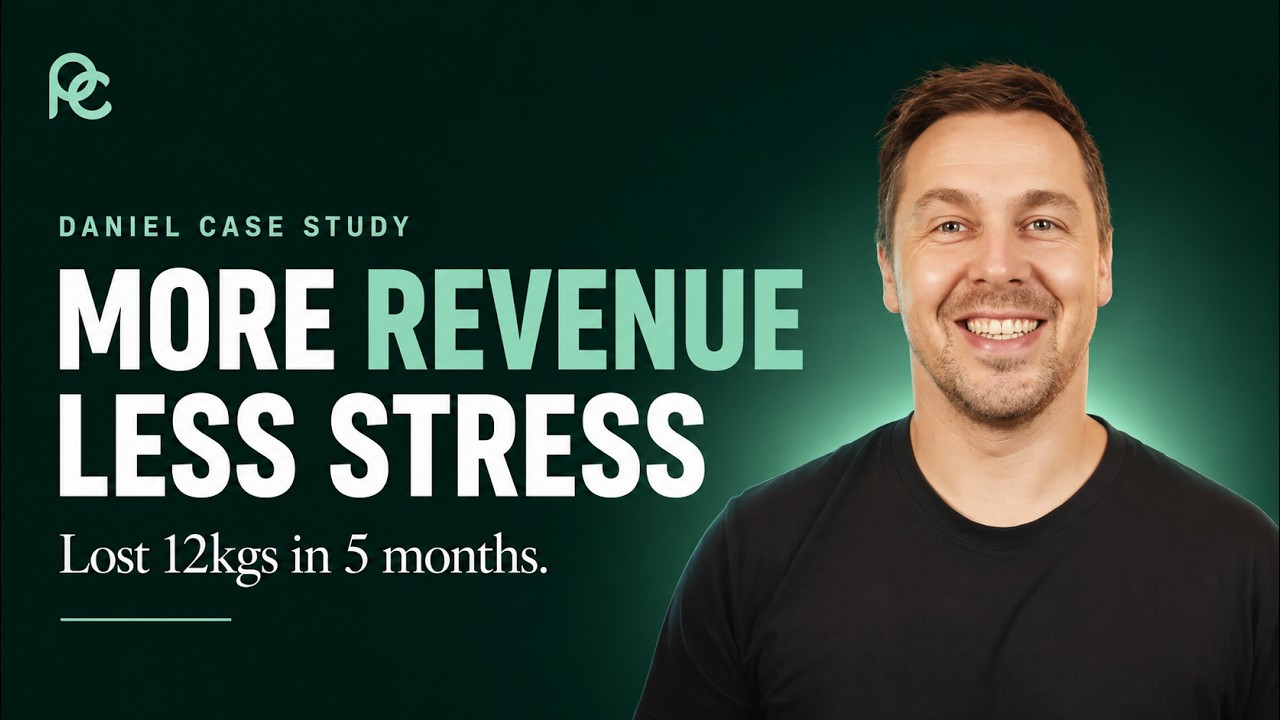
In Zac's earlier client work, Daniel reported two micro-offer buyers who later paid $3,000 each for his cohort. Read his story. Individual results vary.
Training + guided AI builder
The
Buyer-to-
Client Kit.
The right first buyer.
A useful first win.
A clear next step.
The future client you want to work with
A first problem they will pay to solve
A useful result and a relevant next step
Different expertise.
Real people behind the examples.
A better first conversation
You know you can help. But asking someone who just discovered you to commit to a full coaching package is a big first step.
A small paid offer gives them somewhere useful to start. A workshop. A short guide. A focused mini course. Something that solves one specific problem.
They get a first win. You learn who is willing to pay for your help. And if their next problem is one you solve, you have a natural reason to invite them further.
The small offer is the beginning of a relationship.
The Buyer-to-Client path
A small offer only helps if it attracts someone who could need your deeper work.
Name the client you want. Find a small problem that person already wants to solve. Validate the paid offer before building it. Drop ideas that attract the wrong people.
Your output: a focused paid offerDeliver what you promised. Make the first action obvious. Follow up so the offer has a chance to become useful, instead of another forgotten download.
Your output: a clear buyer experienceHelp buyers see whether your coaching, consulting, or deeper work fits what they need next. Make a clear invitation. Let them choose.
Your output: a relevant invitationA buyer may be a good fit for your next offer. Buying a small product does not mean they will automatically upgrade.
A page from the Buyer-to-Client Map
Illustrative offer design. This is not Daniel's exact funnel or a promised result.
Your expertise. A guided first draft.
Give the Buyer-to-Client Operator your idea and the work you already do. It checks the connection to your future client before drafting the assets.
A cheap guide to starting a podcast might attract aspiring hosts. If you help consultants get guest appearances, a relevant podcast shortlist is a better first win.
Fictional offer example. Your expertise and actual customer feedback guide the final choice.
01 / Check
Check the audience, urgency, standalone value, delivery and next step. Get a better idea when the connection does not fit.
02 / Build
Your offer, page, delivery worksheet, three ads and seven buyer emails. Built from your method, with missing facts flagged for your review.
03 / Fix
Bring your real visits, purchases and costs. Find the earliest supported problem and one next change, or the evidence still missing.
Use the browser workspace to prepare your brief and copy the full prompt into your AI chat. A native skill ZIP is included too. The workspace does not run AI or publish your business.
Start with the evidence
You don't have to imagine what a small paid offer could look like. Start with people who have actually sold one.
Reported client results from Zac's broader work and earlier programs. Not results from this kit. Individual outcomes vary. Revenue is not profit.
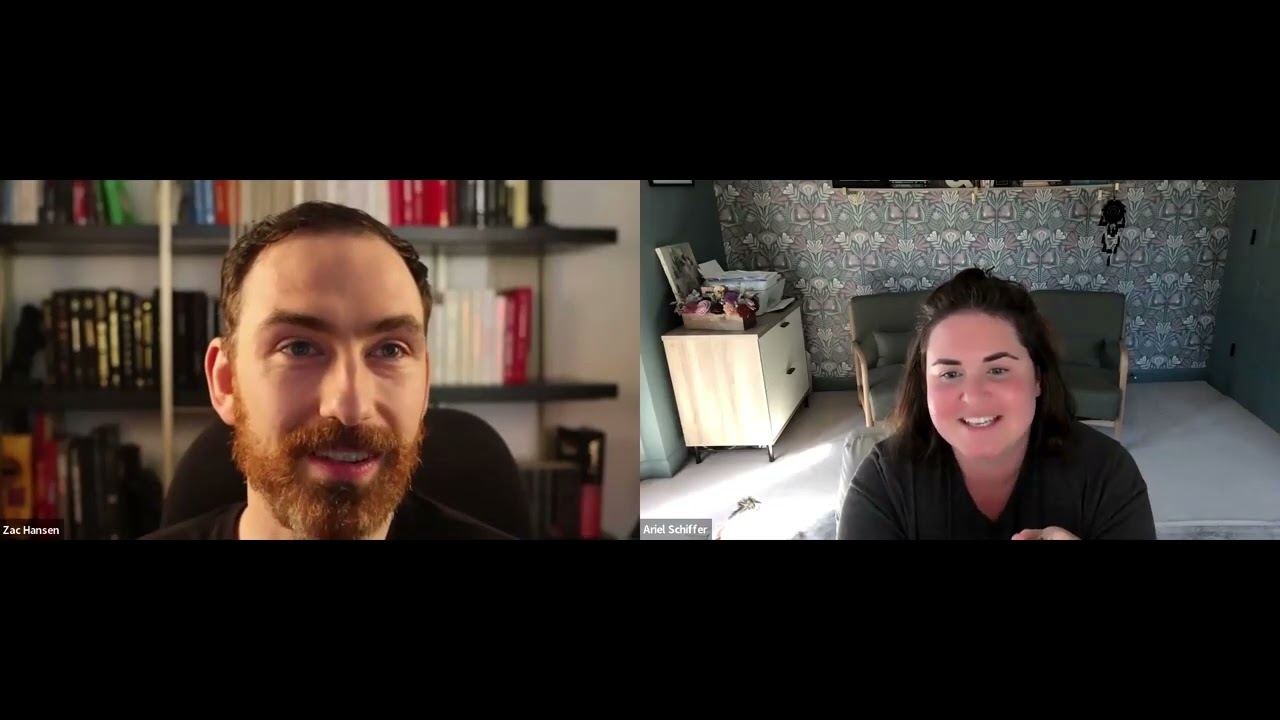
Watch Daniel's story Historical client interview. Self-reported results.
Podcast outreach · Daniel Daines-Hutt
Daniel had years of content marketing experience and an old course sitting in his business. His specific skill: getting booked on podcasts.
He repackaged that expertise into a small paid offer. In his case study, he reported roughly $15,000 in combined front-end and back-end sales, including two buyers who later paid $3,000 each for his cohort.
Choose a first offer that would be useful to the person your deeper service helps.
Pediatric sleep · Manishka
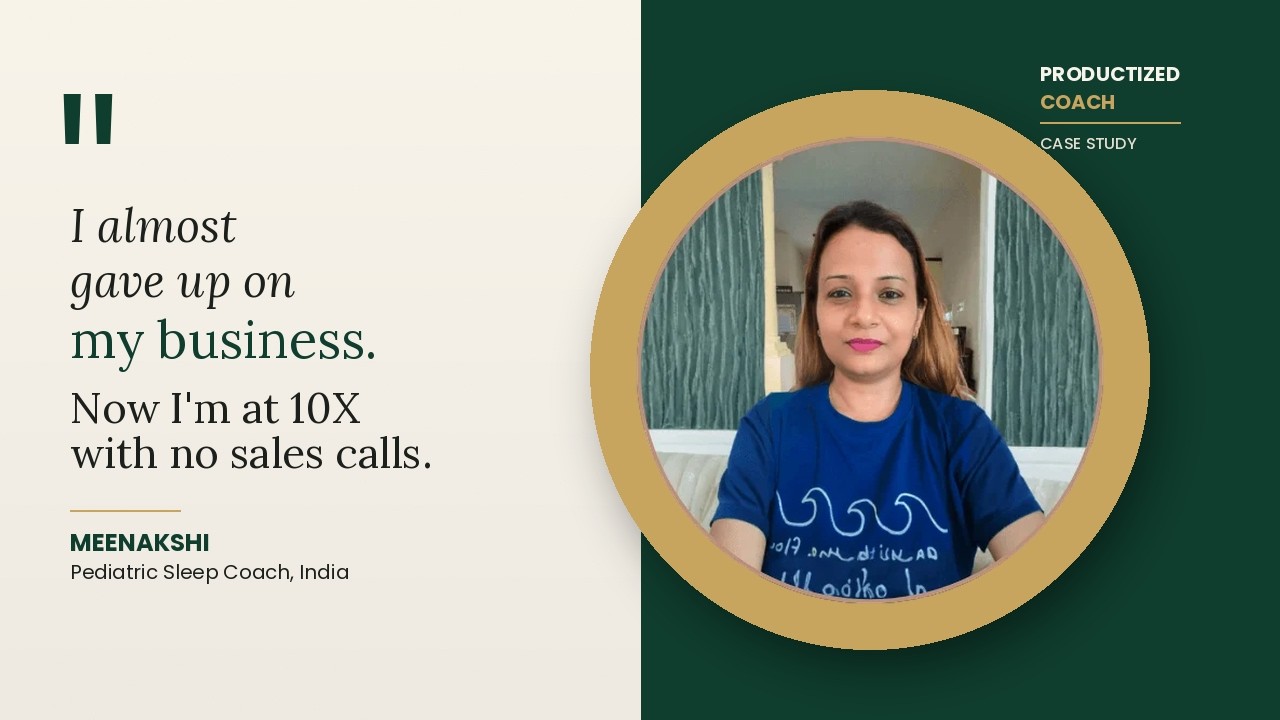
Manishka is a pediatric sleep coach. After working with three agencies, she began running her own ads to a small paid offer.
Her published case study reports 280 buyers. That is a specific result from her earlier work with Zac, not a promise for this kit.
A paid first step can make sense in a practical, deeply human niche. It isn't limited to teaching people how to make money.
Watch Manishka's story Historical client interview. The kit does not promise these results.
Read the result. Open the source. Look for the small problem they chose.
Showing 9 case studies.

Podcast outreach
Two buyers later joined a $3,000 cohort.
About $15K combined front-end and back-end sales. Historical client result.
Watch the interview
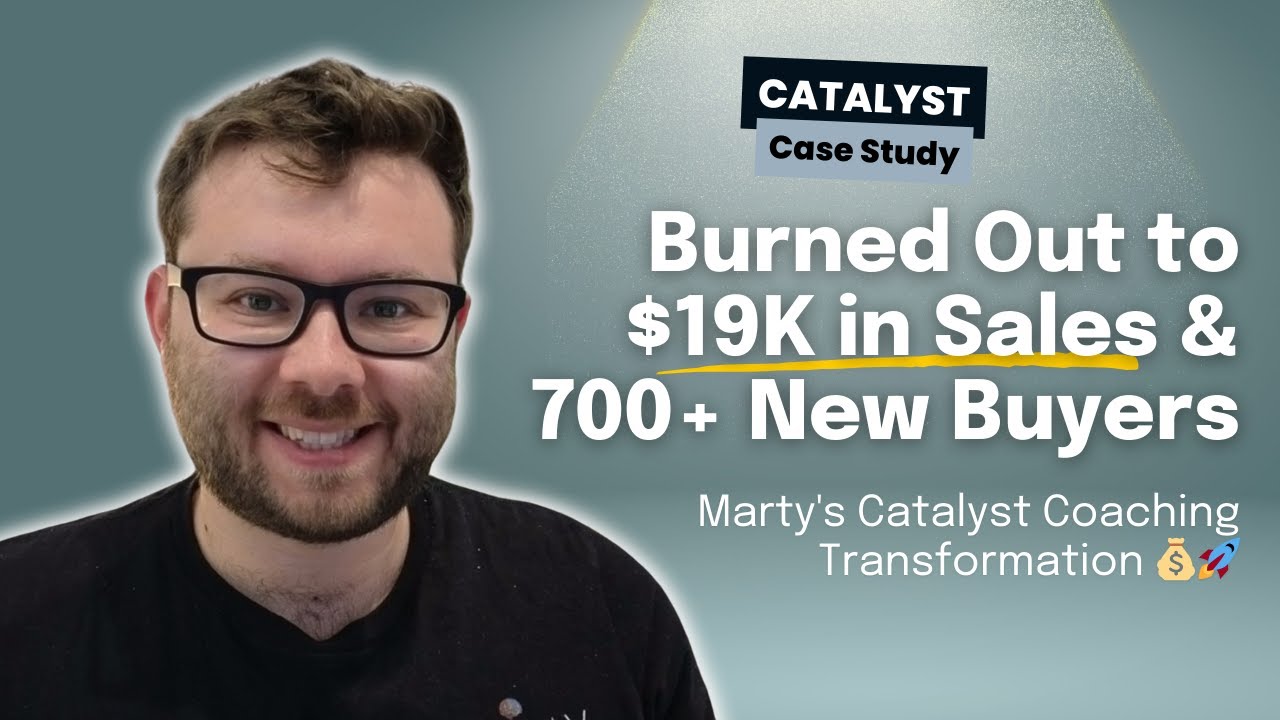
Sales training
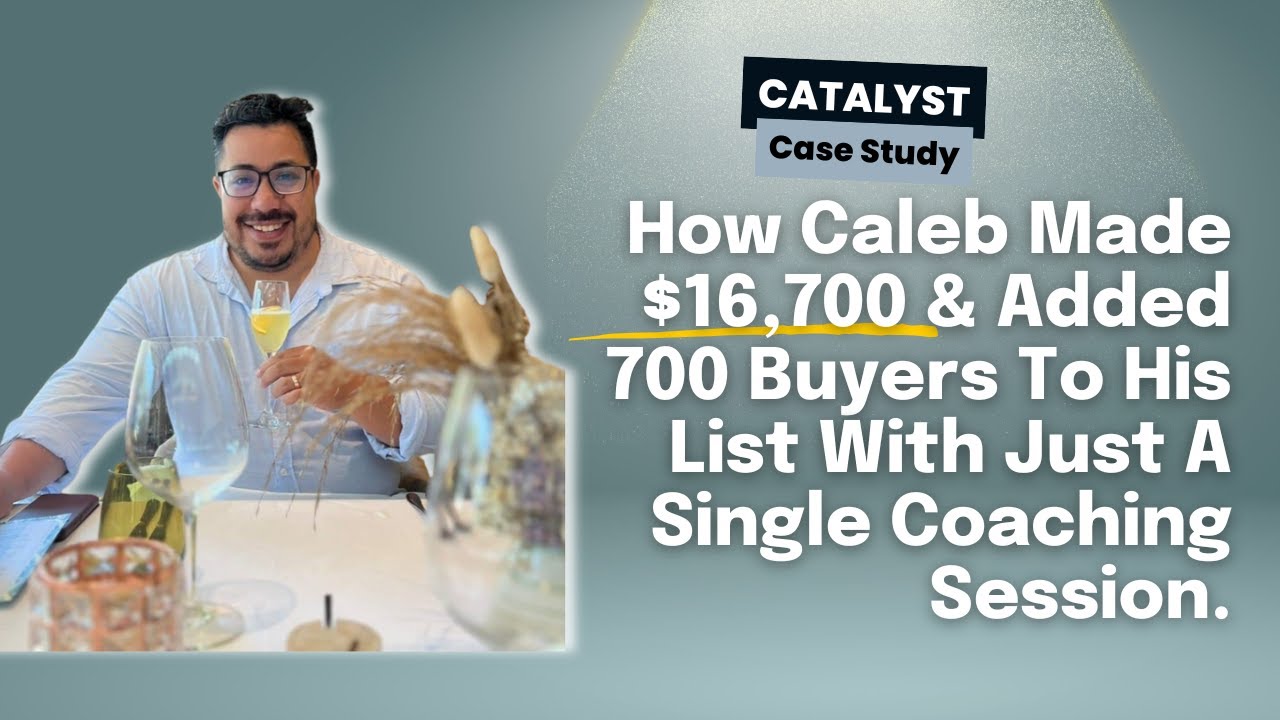
$16,700 in sales. 700+ buyers.
Reported sales from one funnel in a new niche. No outcome timeframe is implied here.
Watch the interview
Pediatric sleep
280 buyers for practical sleep help.
Pediatric sleep coach who started running her own ads. Historical client result.
Watch the interview
Read originalManifesting
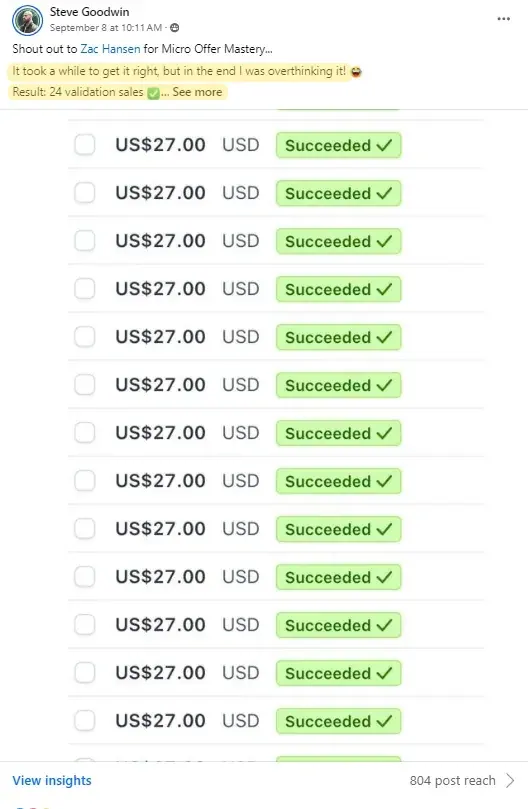
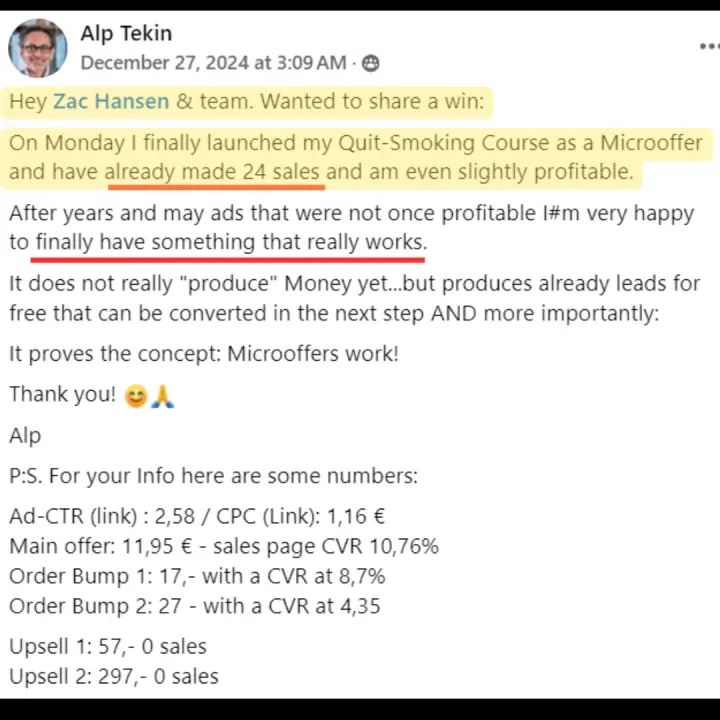
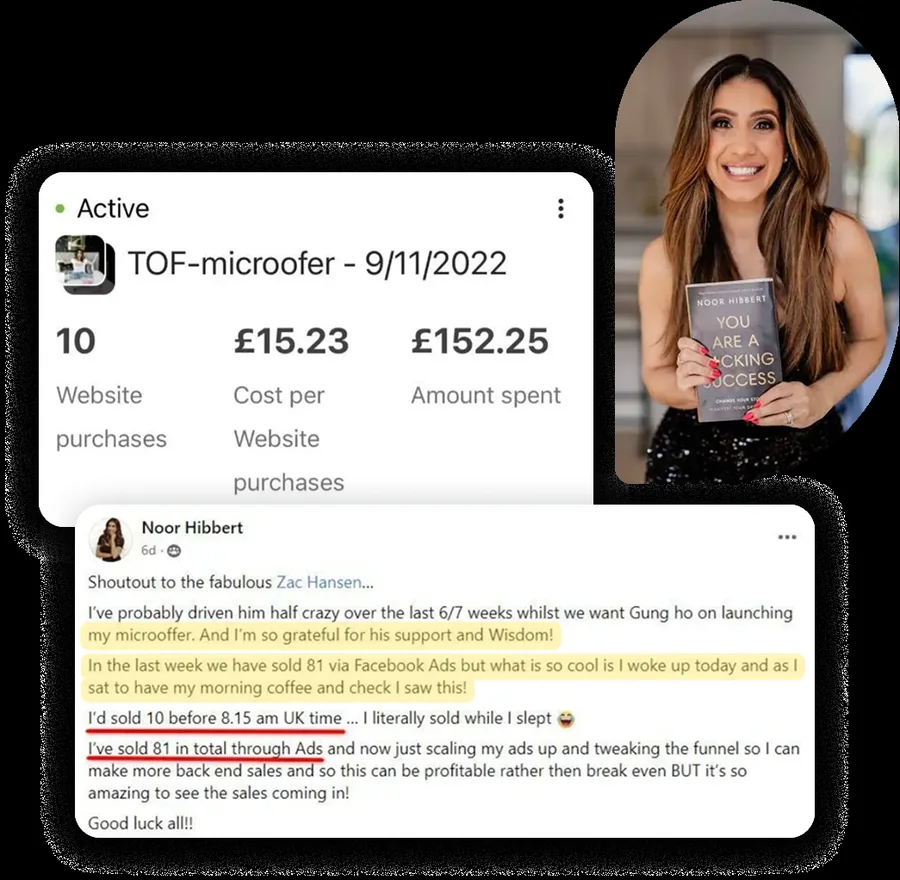
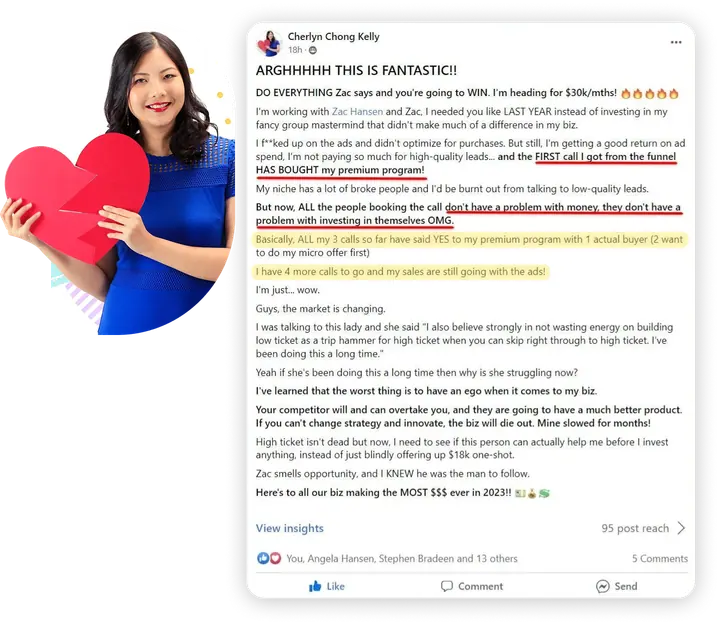
81 ad sales in one week.
Her post says the ads were breaking even at that point. Sales are not profit.
Read the original
Read originalSelf-development
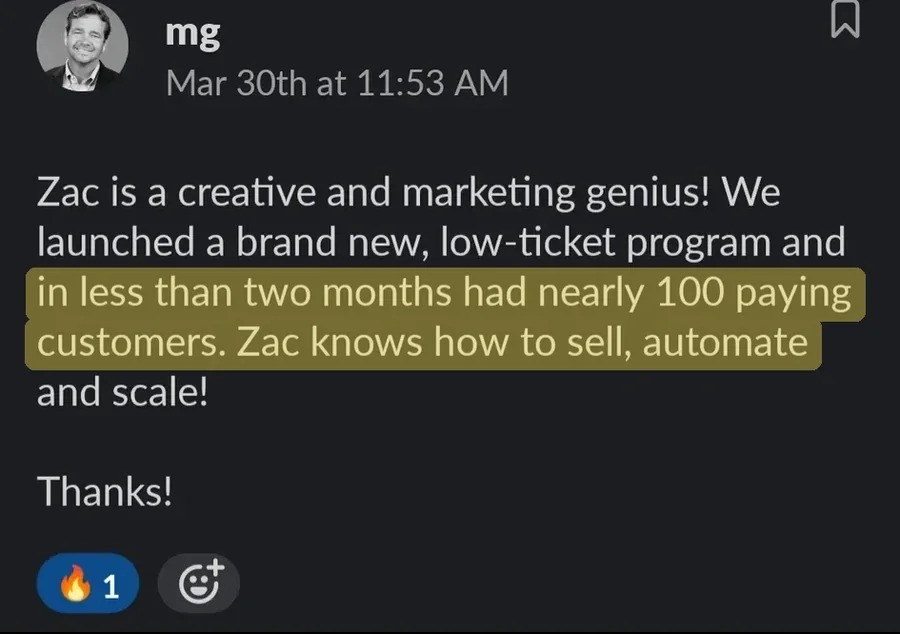
Nearly 100 paying customers.
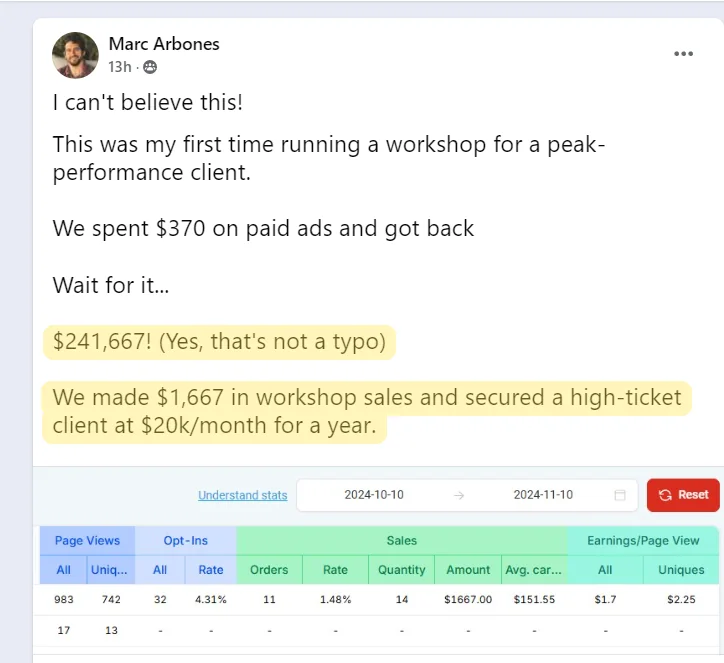
A new low-priced program for The Habit Factor, in under two months.
Read the original
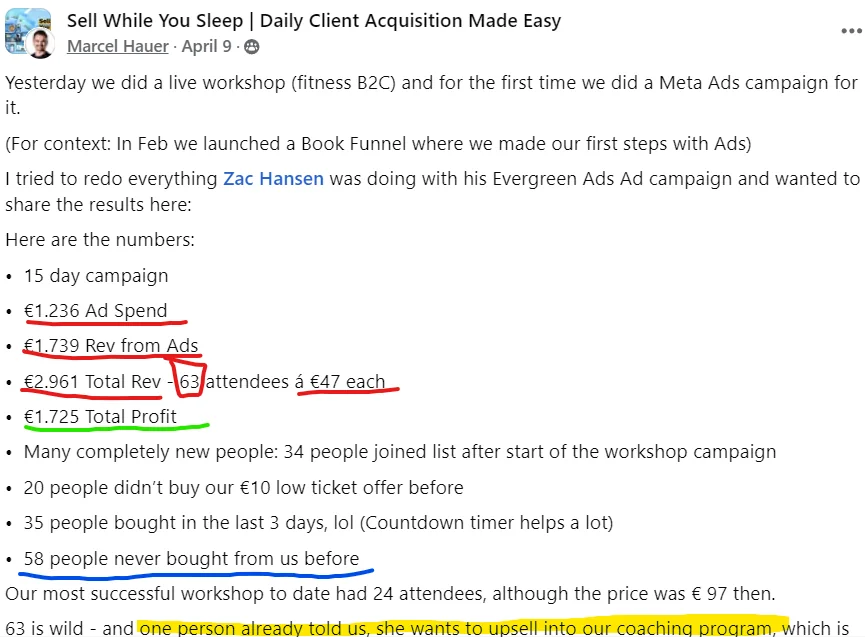
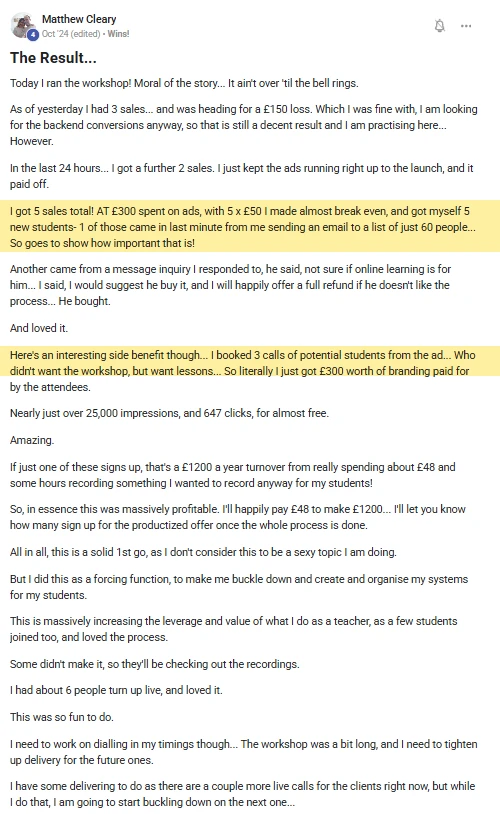
Read originalFitness
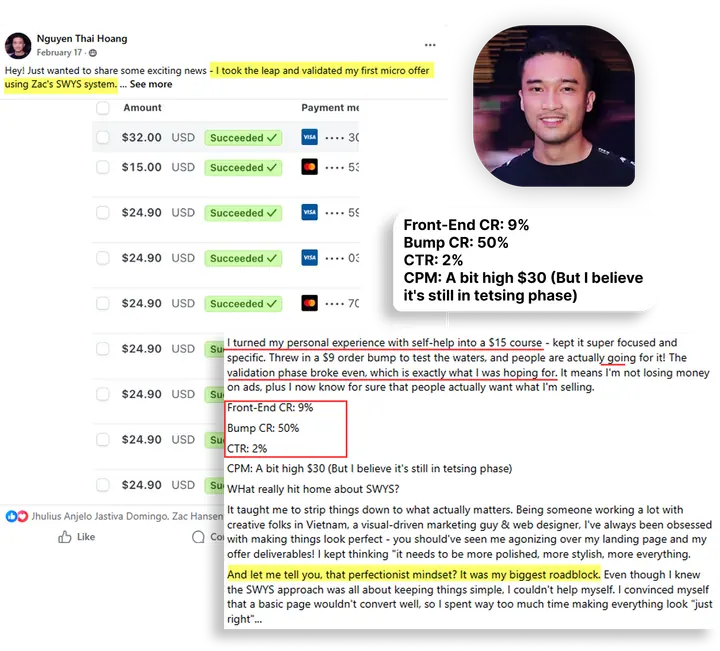
63 paid attendees. 58 new buyers.
Reported from a 15-day workshop campaign. A specific client result.
Read the original
Read originalLife insurance coaching
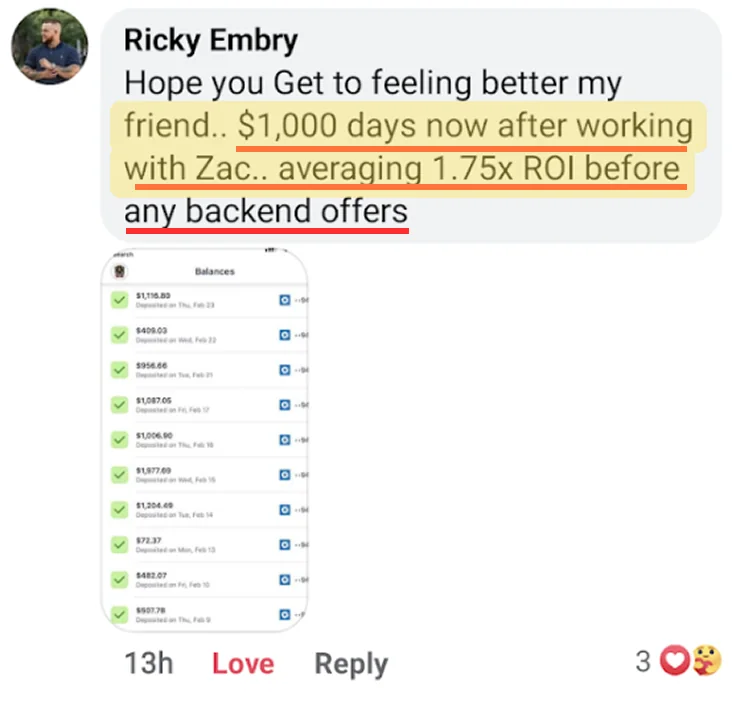
Reported $1,000 sales days.
Before additional back-end offers. The post does not establish net profit or a typical daily result.
Read the original
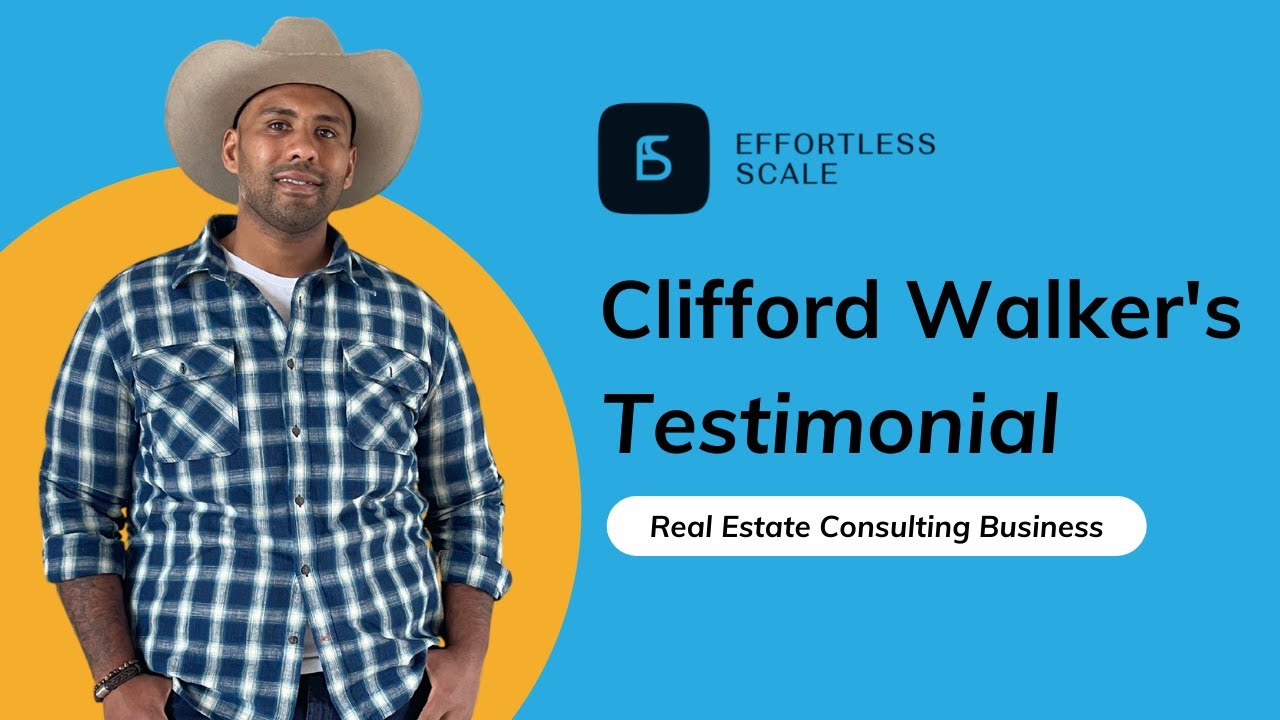
Somatic therapy
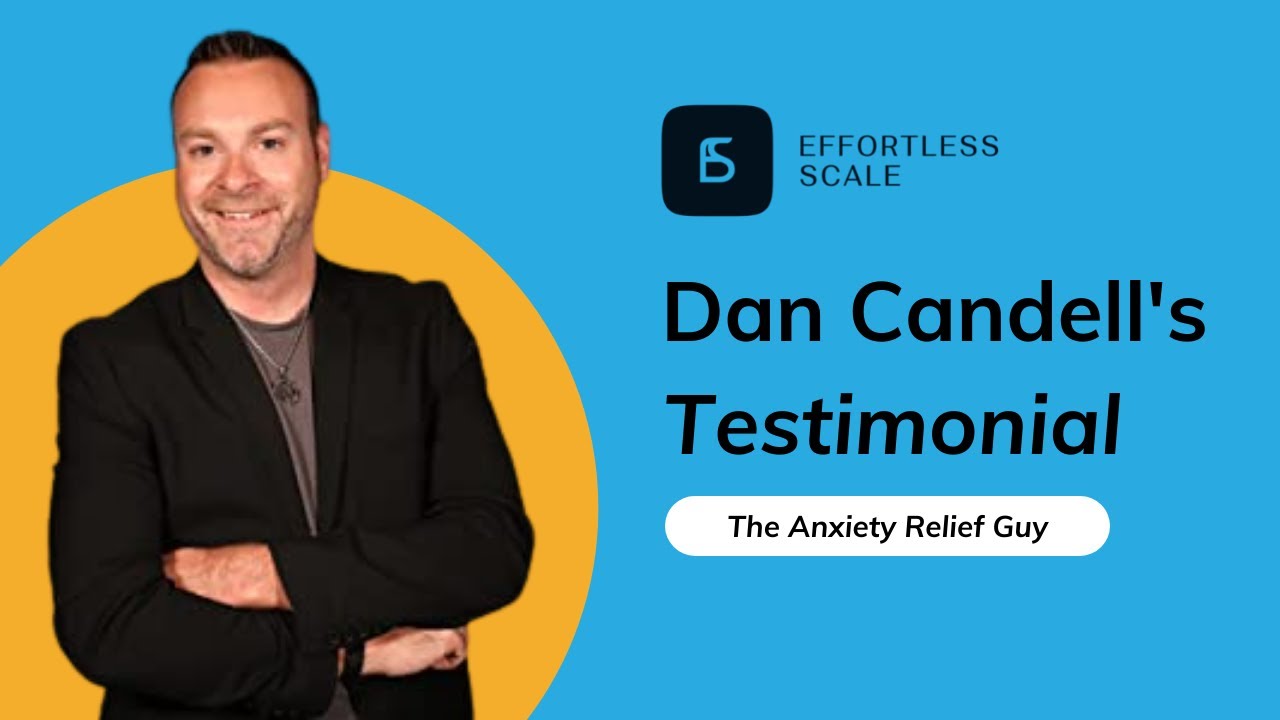
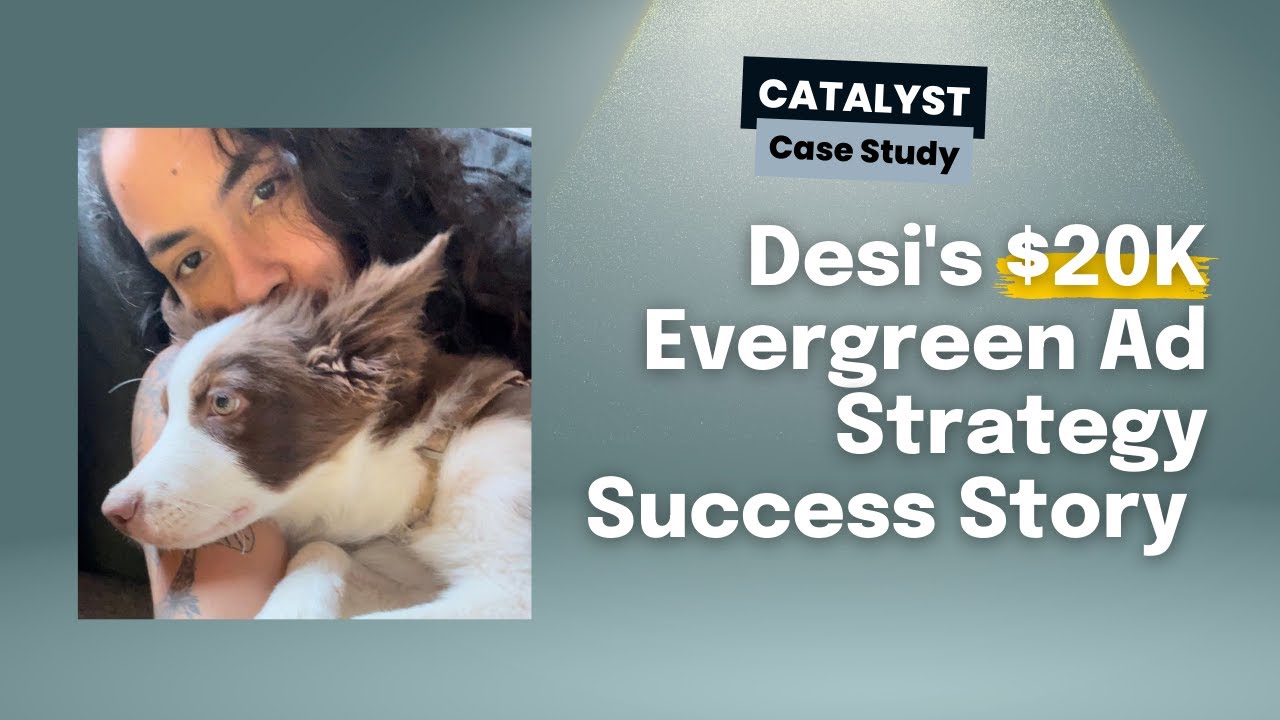
Over $20K across two offer types.
Combined mid-priced and micro offers. Historical Catalyst client, with more support than this kit.
Watch the interview
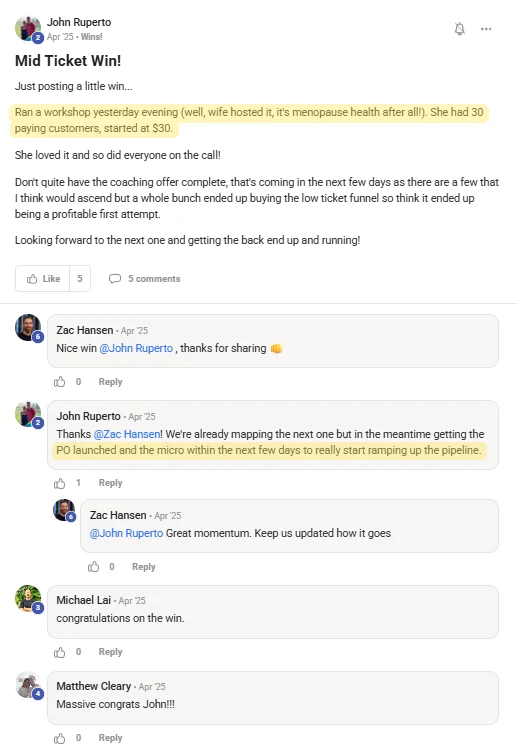
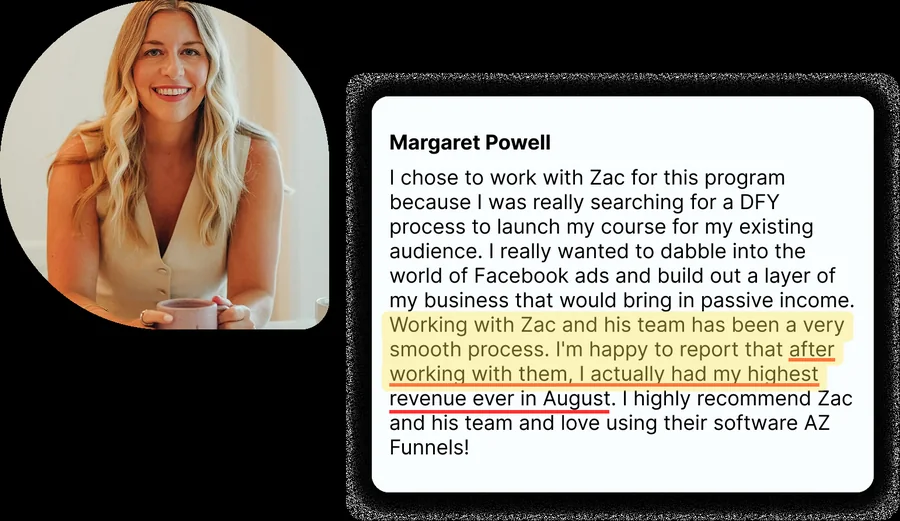
Read originalHealthcare
Her highest revenue month to date.
A done-for-you launch with an existing audience. Different support and circumstances from this kit.
Read the originalYour niche doesn't need to look like mine.
It needs a real person, a specific problem, and a useful place to start.
A small kit with a specific job
The Sell While You Sleep foundation, an AI Operator, a browser workspace and practical resources for your first offer and next step.
Work through the existing buyer-first method. Includes the Rapid Validation Page Skill, 437-word page template, Evergreen Ad Skill, five-line ad template, and Instant AI Micro Offer Mega Prompt.
So you can validate the offer and put it in front of people.
Check your idea, then draft the offer, sales page, delivery worksheet, ads and buyer emails from your actual expertise. Bring launch data back to find the next useful fix.
Use the workspace to prepare a brief and copy the instructions into your AI chat. Five short lessons show you the steps.
Connect your ideal client, their first problem, your paid offer, and the deeper help you can offer them. See the relationship on one page before you build.
A sequence for choosing a problem, validating the paid offer, preparing delivery, checking your page and checkout, and learning from potential buyers.
Seven days is a planning structure, not a promise of sales.
Deliver the purchase. Help them take action. Learn what they need. Then make a relevant invitation to your deeper work, in plain, human language.
See what people in different markets sold, what the evidence shows, and what you can learn from their choices. Use the prompts to find your own starting point.
Also includes five short written lessons, three fictional worked examples and a Launch Results Log. Third-party software, AI subscriptions, advertising, and personal coaching are separate.
Start with what you know
You don't need to turn everything you know into a giant course. Choose one thing your future client would be glad to get help with.
You already help people with something.
Through coaching, consulting, a practice, or professional experience.
You can deliver a useful first result.
Something focused enough to explain, create, and sell.
You're willing to put an offer in front of people.
And learn from what they actually do.
If you're looking for a done-for-you business or guaranteed clients, this kit won't meet that expectation.

A note from Zac
The same explanation you give every week. The process you walk every client through. The small problem you know how to solve.
That's where I'd start. Make it useful. Give people a clear way to buy it. Then connect that first win to the bigger work you do.
You can use this kit to work through that connection.
Zac HansenProductized Coach
Your next useful offer starts here
One focused offer. A useful buyer experience. A clear invitation to go further.
If the kit isn't useful to you, email support@effortlessscale.com for a refund of your purchase price. No deadline. Keep the materials. This covers the price paid for the kit, not outside software, AI, advertising costs, or business losses.
The guarantee is about your purchase, not a promise of sales or income.
Sell While You Sleep
$17USD
one time
One payment. No subscription.
Third-party charges are separate.
A few practical questions
Clear expectations make better starting points.
The examples cover nine different niches, from podcast outreach to pediatric sleep. That breadth is useful evidence of the kinds of offers people have sold. It does not prove every niche, offer, or person will get a result. Start by finding a specific problem your intended clients already want help with.
You can develop an offer before you have a big following. But you still need a way to reach potential buyers, such as relevant relationships, an existing list, partnerships, useful public content, or paid advertising. This kit cannot provide an audience for you.
You can start with people you already reach if that's available to you. Ads are one possible route to new buyers, and some case studies used them. If you choose ads, set a separate testing budget you can afford. Ad costs are not included and there is no guaranteed return.
The $17 kit includes the Buyer-to-Client Operator instructions, a native skill ZIP, a complete text prompt, and the browser workspace. The workspace prepares your prompt; you use your own AI chat to run it. Third-party AI subscriptions, website tools, email platforms, checkout fees, and advertising are separate. The worksheets and email templates can also be used on their own.
No. A small purchase gives you a starting relationship, not a commitment to spend more. The follow-up helps buyers use what they bought and decide whether your deeper help is relevant. Some will only want the small offer. That's okay.
The 7-Day Launch Checklist is a suggested work sequence. Your timing depends on your existing material, the size of the offer, your tools, and the time you can give it. Seven days is not a guaranteed launch date or a promise of sales.
No. They are reported results from Zac's earlier work and programs. Some clients had personal coaching or implementation support beyond this self-paced kit. Results have different timeframes and conditions, and revenue figures are not profit. The original interviews and screenshots are linked so you can see the context.
The guarantee refunds the purchase price paid for the kit if it isn't useful to you, with no deadline. Email support@effortlessscale.com to request it. You keep the materials. It does not reimburse third-party software, AI subscriptions, ads, or business losses. It does not guarantee sales or income.
One useful place to start
Let's turn a small piece of it into something they can buy.
Get the Buyer-to-Client Kit for $17$17 USD, one time. Lifetime purchase-price refund.